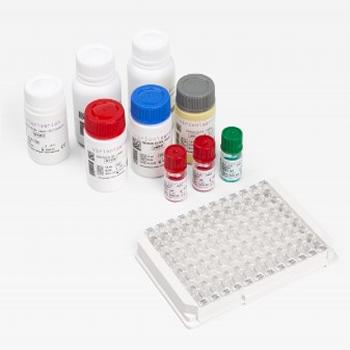
Chlamydia lgG/IgM (Blood) Test

Chlamydia lgG/IgM (Blood) Test

STD Testing

The Chlamydia IgG/IgM (Blood) Test is designed to detect the presence of chlamydia infection by measuring specific antibodies in the blood. This test assesses the immune response to the infection and helps in monitoring treatment efficacy. By analyzing IgM, IgA, and IgG antibodies, healthcare providers can determine if there is an active infection and evaluate the body's immune status.

  • Test Purpose:
    To detect a chlamydia infection, evaluate the immune response, and monitor treatment effectiveness by measuring specific antibodies in the blood.

  • Antibody Types Measured:

    • IgM (Immunoglobulin M):

      • Detection Timing: Typically appears shortly after infection and fades over time.
      • Interpretation: Endpoint titers below 1:10 suggest no current infection; titers of 1:10 or higher indicate presumptive evidence of infection.
    • IgA (Immunoglobulin A):

      • Detection Timing: Generally highest during an active infection.
      • Interpretation: Negative results do not definitively rule out the presence of an infection.
    • IgG (Immunoglobulin G):

      • Detection Timing: Develops as IgM levels decrease and can remain detectable even after treatment.
      • Interpretation: Endpoint titers below 1:64 suggest no current infection; titers between 1:64 and 1:512 may indicate a past or undetermined infection. A four-fold increase in titer from the first to the second specimen indicates a current infection.
  • Testing Method:

    • Sample Type: A blood sample is collected for laboratory analysis.
  • Benefits of Testing:

    • Detection of Current Infection: Helps identify active chlamydia infections, allowing for timely treatment.
    • Assessment of Immune Response: Evaluates how the body is responding to the infection.
    • Monitoring Treatment: Tracks changes in antibody levels to assess treatment effectiveness and potential reinfection.
  • Recommendations:

    • Individuals who are sexually active, especially those with multiple partners or unprotected sex, should consider regular testing for STIs, including chlamydia.
    • Those experiencing symptoms or who suspect exposure should seek testing promptly.

The Chlamydia IgG/IgM (Blood) Test is a crucial tool in sexual health management, providing valuable insights into current and past infections, immune responses, and treatment progress.

Why would I need the Chlamydia IgG/IgM (Blood) Test?
This test is recommended for several reasons: Chronic symptoms: If you have ongoing pelvic pain, abdominal discomfort, or other signs of a chronic or untreated infection. Infertility evaluation: For individuals experiencing difficulties with fertility, chronic chlamydia infections can cause complications like pelvic inflammatory disease (PID) and damage to reproductive organs. Suspected past infection: If you have had potential exposure to chlamydia in the past or if a partner has tested positive, the test can help determine if you have previously been infected. Monitoring treatment effectiveness: Check if antibodies persist after treatment, which may indicate whether the infection has fully resolved or is chronic.
What do the results of the Chlamydia IgG/IgM (Blood) Test indicate?
IgM positive and IgG negative: Indicates a recent or active chlamydia infection. IgM antibodies are produced early in the infection, suggesting they are still present. IgM negative and IgG positive: Indicates a past infection. The presence of IgG antibodies suggests that you have been exposed to chlamydia in the past and your body has produced a longer-term immune response. Both IgG and IgM positive Indicate that the infection is either recent or still active, with early and long-term antibodies. Both IgG and IgM negative: It suggests that you have not been exposed to chlamydia or that it is too early in the infection for antibodies to be detectable.
What is the difference between HIV Ag/Ab with Reflex Test and HIV 4th Generation Blood Test?
The IgG/IgM Blood Test detects antibodies (past or recent infection), while the NAA Urine Test detects bacterial DNA (current infection) and screens for multiple STIs at once.