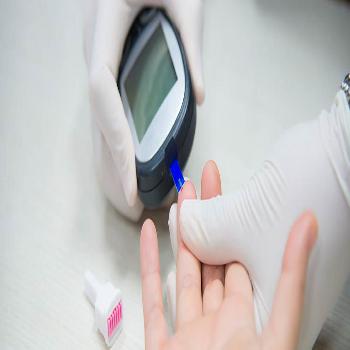
Overview:
- The Diabetes Maintenance Panel is tailored to help both diabetics and individuals interested in understanding their diabetic status. By combining four essential tests, this panel equips you and your healthcare provider with crucial information for effective diabetes management.
Included Tests:
Complete Blood Count (CBC):
- Evaluates overall health by measuring various components of the blood, including red and white blood cells and platelets. It helps identify blood disorders, such as infections or anemia.
Comprehensive Metabolic Panel (CMP):
- Provides a broad assessment of metabolic health, including kidney and liver function, electrolyte balance, and blood glucose levels. This test is essential for monitoring the overall impact of diabetes on bodily functions.
Hemoglobin A1c (HbA1C):
- Measures the average blood sugar levels over the past 2 to 3 months. It can help diagnose pre-diabetes, confirm diabetes, and assess how well diabetes is being managed.
Diabetic Urinalysis:
- Tests for the presence of albumin (protein) in urine, which can indicate kidney function. This is particularly important for diabetics, as kidney health is a critical concern.
Importance of the Test:
- Regular monitoring through the Diabetes Maintenance Panel can provide you and your healthcare provider with essential data to adjust medications, manage diabetes effectively, and prevent potential complications.
Who Should Consider This Test:
- Individuals diagnosed with diabetes, those at risk for diabetes, or anyone wanting to monitor their metabolic health.
Follow-Up:
- Results should be discussed with a healthcare provider to determine any necessary adjustments to treatment plans or lifestyle changes. Regular testing can help maintain optimal health and prevent complications associated with diabetes.
Why would I need the Diabetes Maintenance Panel?
This panel is recommended for individuals who have diabetes or are at risk of developing diabetes. It is used to:
Monitor diabetes management: Track how well your blood glucose levels are controlled over time.
Assess the risk of complications: To evaluate kidney function, cardiovascular health, and other markers that can be affected by poorly controlled diabetes.
Adjust treatment plans: To help your healthcare provider make informed decisions about medication, lifestyle changes, and other aspects of diabetes management.
Routine check-up: For individuals with diabetes, this panel is typically part of regular monitoring (every 3-6 months) to ensure the condition is well-managed and prevent complications.
How do I prepare for the Diabetes Maintenance Panel?
Fasting: For 8–12 hours before the test, avoid eating and drinking anything other than water.
Hydration: Drinking water before the test is encouraged to help with the blood draw.
What do the results of the Diabetes Maintenance Panel indicate?
HbA1c: Provides an average blood glucose level over the past 2-3 months. Levels above 6.5% may indicate diabetes, while levels between 5.7% and 6.4% suggest prediabetes.
Fasting Blood Glucose: Normal levels are typically 70-99 mg/dL. Levels between 100-125 mg/dL may indicate prediabetes, and levels 126 mg/dL or higher may suggest diabetes.
Lipid Panel: High LDL (bad cholesterol) or triglycerides and low HDL (good cholesterol) may increase the risk of cardiovascular disease, a common complication of diabetes.
Kidney Function Tests: Elevated creatinine or albumin levels in the urine may indicate kidney damage or early signs of diabetic nephropathy.
Comprehensive Metabolic Panel (CMP): Abnormalities in glucose levels, electrolytes, or liver enzymes may require further investigation and adjustment of treatment plans.