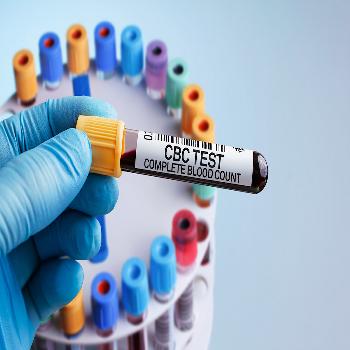
Why would I need the CBC With Differential?
This test is commonly ordered during routine health check-ups or when symptoms indicate issues with your blood or immune system. Reasons for getting this test include:
Routine screening: To monitor overall health and detect any underlying conditions, such as anemia or infections, even if you don’t have symptoms.
Evaluating symptoms: If you have symptoms like fatigue, weakness, bruising, bleeding, or signs of infection (e.g., fever, inflammation), this test can help determine the cause.
Monitoring chronic conditions: The test helps monitor disease progression and response to treatment for individuals with conditions such as anemia, infections, autoimmune disorders, or certain types of cancer (e.g., leukemia).
Pre-surgical evaluation: To ensure blood levels are within a safe range before surgery.
What do the results of the CBC With Differential indicate?
Red Blood Cell Count (RBC), Hemoglobin, Hematocrit: Low levels may indicate anemia, while high levels could suggest dehydration or a condition like polycythemia.
White Blood Cell Count (WBC): Elevated levels may indicate infection, inflammation, or immune response, while low levels can suggest bone marrow problems or immune disorders.
Differential WBC Count:
Neutrophils: High levels may indicate bacterial infections or inflammation.
Lymphocytes: Elevated levels could suggest viral infections or lymphocytic disorders.
Monocytes: High levels may indicate chronic inflammation or certain infections.
Eosinophils: Elevated levels are often linked to allergies or parasitic infections.
Basophils: High levels may be associated with allergic reactions or certain blood disorders.
Platelet Count: Low levels may lead to bleeding problems, while high levels can increase the risk of clotting issues.