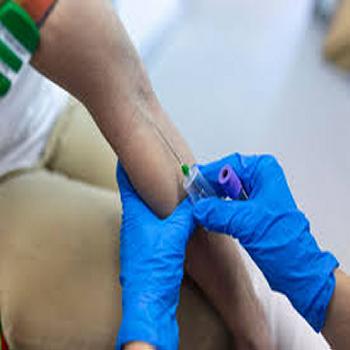
Purpose:
- To determine the blood alcohol content (BAC) in a person's bloodstream.
Procedure:
- A blood sample is drawn from a vein in the arm, typically taking less than five minutes.
Post-Test Activity:
- Patients can resume normal activities immediately after the procedure.
Result Availability:
- Results are generally available within a few hours to several business days.
Reliability:
- Blood alcohol tests are more accurate than breathalyzer tests, with a lower likelihood of false positives.
This test is crucial for accurate monitoring of alcohol levels, especially in legal and medical contexts.
Why would I need the Blood Alcohol Test?
This test may be required for several reasons:
Legal or forensic purposes: Law enforcement may request the test during DUI (driving under the influence) investigations to determine if an individual is above the legal BAC limit.
Post-accident testing: The test can determine if alcohol was a factor in an accident or injury in the workplace or elsewhere.
Reasonable suspicion testing: If there is a suspicion that an individual may be under the influence of alcohol based on behavior, smell, or other indicators, this test can confirm the presence of alcohol in the bloodstream.
Medical evaluation: Medical professionals may use the test to assess intoxication levels in emergency situations or as part of a general health assessment.
Return-to-duty and follow-up testing: Employees returning to work after an alcohol policy violation may be required to take this test to confirm their alcohol-free status.
How do I prepare for the Blood Alcohol Test?
Preparation for the test involves a few straightforward steps:
Avoid alcohol consumption: Do not consume alcohol for at least 8 hours before the test to avoid a positive result.
Avoid products containing alcohol: Certain mouthwashes, cough syrups, and even sanitizers may contain alcohol and could affect the results if consumed or used just before the test.
Inform the testing provider of any medications: You should disclose any prescription or over-the-counter medications you are taking, as some may affect the test results. A Medical Review Officer (MRO) or medical professional will consider these factors when interpreting the results.
What do the results of the Blood Alcohol Test indicate?
Negative result:
Indicates that no alcohol was detected in the bloodstream or that the BAC is below detectable levels.
Positive result:
Indicates the presence of alcohol in the bloodstream. The test result is expressed as a percentage of alcohol in the blood (e.g., 0.08%). If the BAC is above the legal or company-defined limit, it may result in legal consequences, removal from safety-sensitive duties, or other actions based on the specific policies and regulations in place.
Legal limits:
In many regions, a BAC of 0.08% or higher is considered legally impaired for operating a vehicle, while lower thresholds (e.g., 0.04%) may apply to commercial drivers.
What happens if my test results are positive for alcohol?
Legal or disciplinary action: Depending on the test's purpose, a positive result may lead to legal consequences (e.g., fines or arrest for DUI), disciplinary action at work, or removal from safety-sensitive duties.
Further evaluation: In medical settings, healthcare providers may conduct further evaluations or interventions based on the BAC level to ensure the individual’s health and safety.
Treatment programs: If the test is part of a monitoring or recovery program, a positive result may lead to referral to a Substance Abuse Professional (SAP) or other treatment interventions.